How Tournament Schedules Drive Limited-Time Loyalty Rewards in Online Gambling
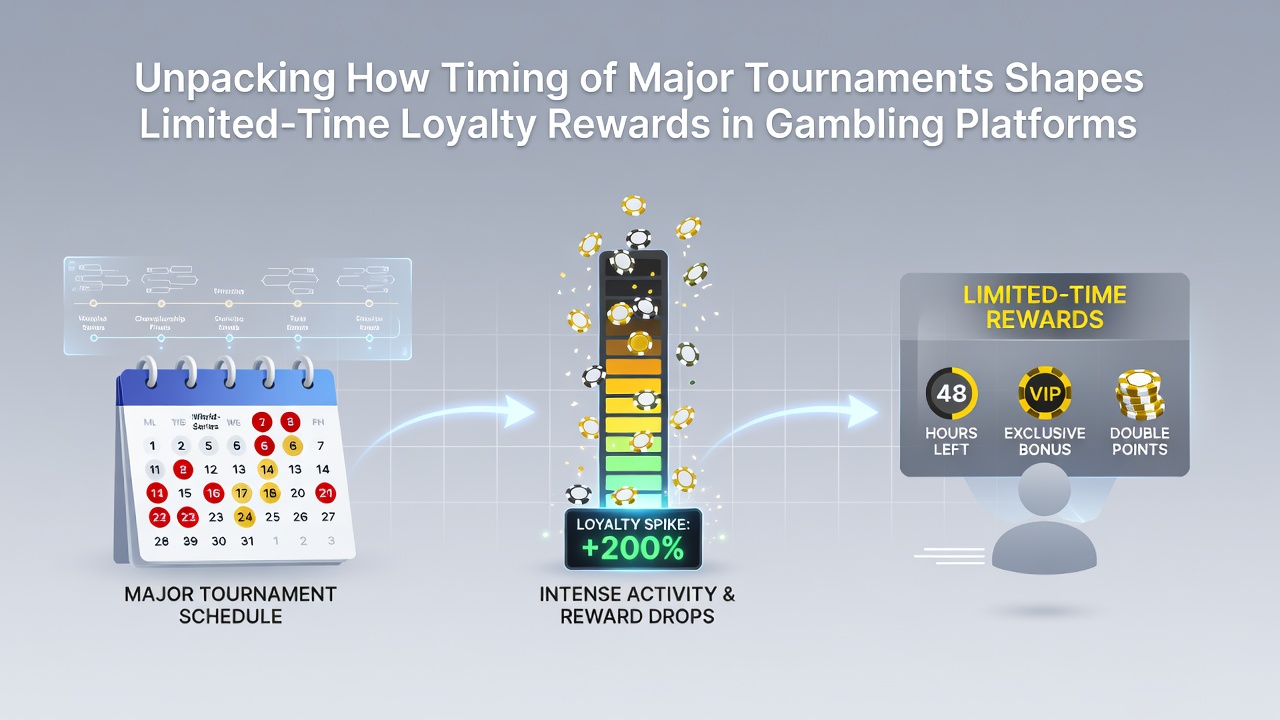
Platforms align loyalty programs with the calendars of major sporting events because participation spikes and user engagement patterns shift during those windows, according to industry reports from the American Gaming Association. Operators release tiered rewards such as bonus credits, cashback multipliers, and exclusive tournament entries that activate only when high-profile competitions begin, creating urgency that encourages repeated logins and deposits throughout the event cycle.
Calendar Alignment Shapes Reward Structures
Football World Cups and Olympic Games occupy fixed slots every four years, yet operators prepare loyalty mechanics months in advance so that users accumulate points through daily challenges tied directly to match schedules. Data from the Nevada Gaming Control Board shows increased handle during these periods, prompting platforms to introduce time-gated loyalty ladders that reset after the final, forcing players to maximize activity while the window remains open. Tennis Grand Slams and basketball playoffs follow shorter, recurring rhythms, allowing sites to run overlapping campaigns that reward consistent participation across multiple sports rather than single-event focus.
Observers note that seasonal overlaps, such as the intersection of European football leagues with North American basketball seasons, produce layered reward systems where users earn cross-category bonuses. Platforms track historical traffic data to predict peak windows and preload personalized offers, ensuring that loyalty tiers escalate precisely when viewer numbers crest. In October 2026, several operators adjusted ongoing campaigns after the conclusion of summer tournaments, shifting focus toward emerging winter sports schedules and extending select loyalty milestones into the following quarter.
Player Behavior During Peak Windows
Users respond to limited-time structures by increasing session frequency and deposit amounts, as recorded in aggregated platform analytics shared by the Canadian Gaming Association. Loyalty points earned during these intervals often carry higher redemption values than standard periods, which encourages strategic play rather than random participation. Those who monitor multiple tournaments simultaneously discover that staggered start dates create opportunities to chain rewards across different betting verticals without resetting progress bars.
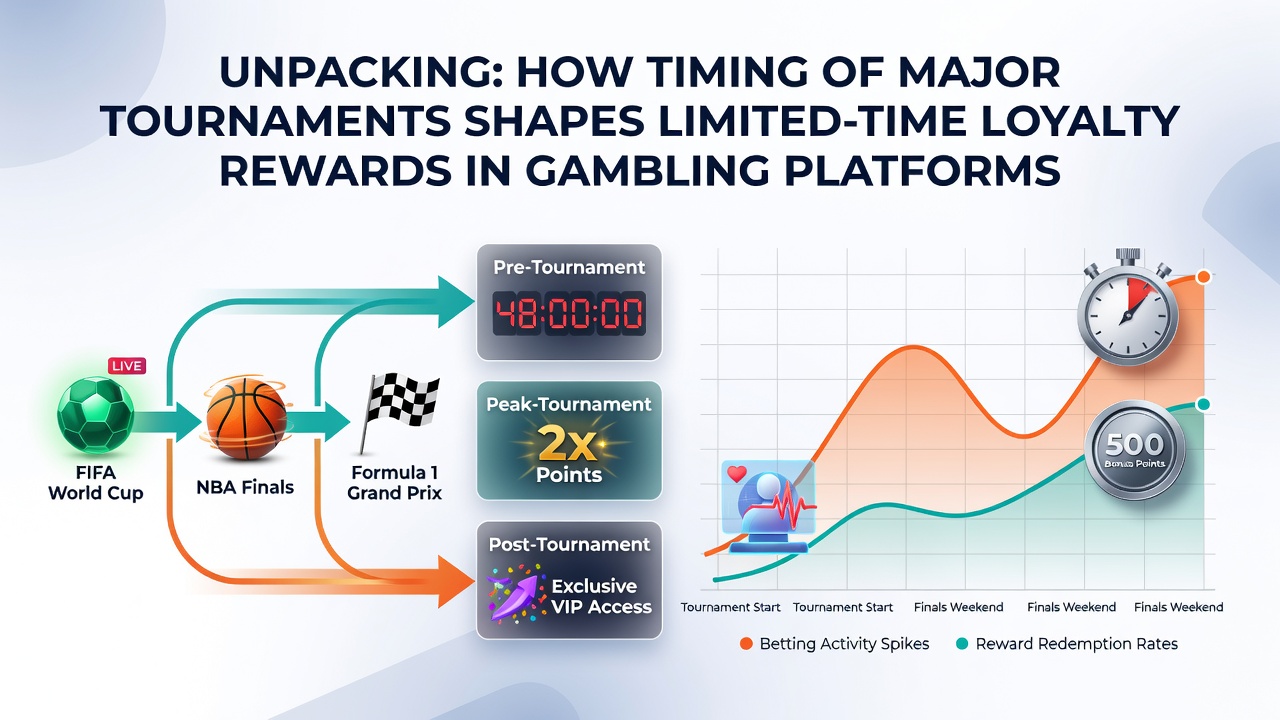
Research from the University of Nevada, Las Vegas gaming studies department indicates that reward expiration dates placed immediately after championship matches reduce dormant accounts because players complete final tasks before access closes. Platforms also experiment with surprise multipliers during knockout stages when outcomes become unpredictable, maintaining engagement even among users whose preferred teams have exited early. The result appears in retention metrics that remain elevated for several weeks beyond the event itself, provided the loyalty framework offered graduated milestones rather than flat participation bonuses.
Regulatory and Operational Considerations
Authorities in multiple jurisdictions require clear disclosure of reward expiration and eligibility criteria, which operators satisfy through in-app calendars synced to official tournament schedules. The Malta Gaming Authority has published guidelines emphasizing transparent communication of time-limited mechanics, prompting platforms to display countdown timers alongside loyalty dashboards. Compliance teams coordinate with marketing departments to avoid conflicts when events cross regulatory boundaries, such as international competitions involving participants from restricted markets.
Technical infrastructure must handle simultaneous surges in traffic and reward redemptions, leading providers to deploy cloud-based scaling during known high-activity months. Historical data reveals that platforms unprepared for these spikes experience temporary delays in point crediting, which can erode trust among users expecting instant tier upgrades. Operators therefore pre-test reward engines against projected volumes derived from previous tournament cycles, ensuring seamless delivery even when multiple overlapping events occur.
Future Patterns and Platform Adjustments
Emerging competitions, including expanded club tournaments and regional championships, create additional calibration points for loyalty teams. Platforms now incorporate machine-learning models that refine reward timing based on real-time viewership data rather than relying solely on historical calendars. This approach allows dynamic insertion of micro-campaigns during unexpected high-interest matches, extending teh effective reach of seasonal loyalty structures without extending overall program durations.
Those monitoring industry shifts note that cross-platform partnerships between betting operators and streaming services further influence reward timing, since synchronized viewing parties generate measurable engagement lifts that justify additional bonus layers. Data from the Australian Gambling Research Centre supports the observation that integrated experiences produce higher completion rates for time-limited challenges compared with standalone promotions.
Conclusion
Tournament timing directly determines the architecture and duration of limited-time loyalty rewards across gambling platforms, with operators using fixed event calendars to schedule escalating incentives that match audience availability and behavioral spikes. Regulatory frameworks enforce transparency around these mechanics, while technological adaptations ensure scalability during peak periods. As new competitions enter the global schedule, platforms continue refining their approaches to maintain engagement through precisely calibrated, time-bound reward systems.